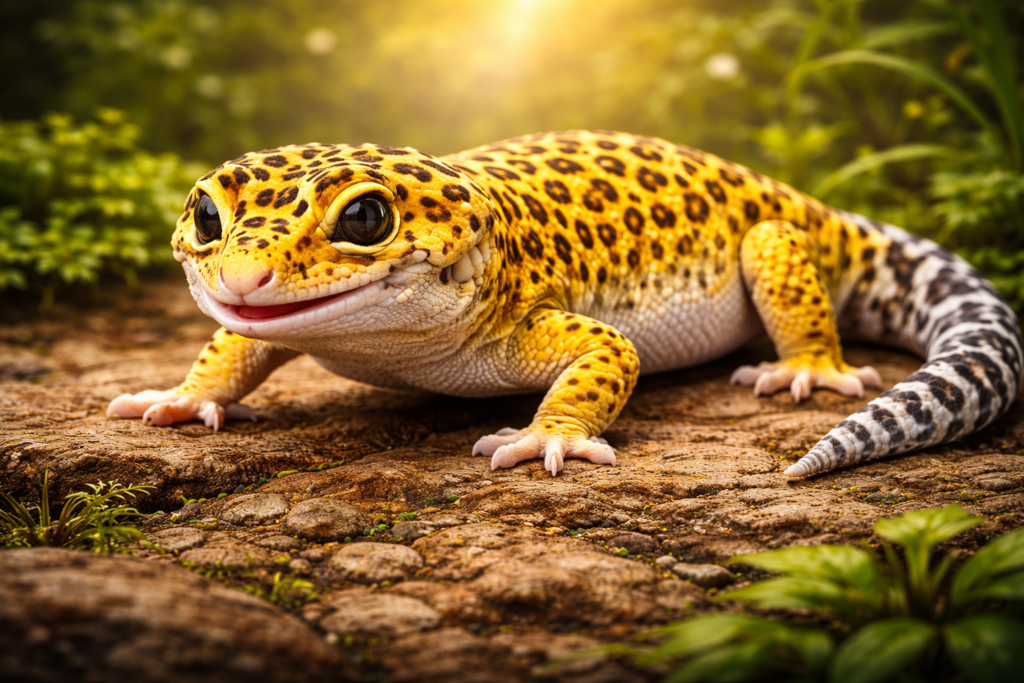

Leopard geckos are one of the most popular pet reptiles in the world, and it’s easy to see why. They are calm, easy to care for, beginner-friendly, and come in an incredible variety of colours and patterns. One of the most exciting things about leopard geckos is the wide range of morphs available today.
A leopard gecko morph refers to its colour, pattern, and genetic traits. Through selective breeding, keepers have developed stunning variations that look completely different from wild-type geckos.
In this guide, we’ll explore 8 different leopard gecko morphs, explaining what makes each one unique and why they are so popular among reptile enthusiasts.
What Is a Leopard Gecko Morph?
A morph is a genetic variation that affects a leopard gecko’s appearance. This can include changes in:
-
Colour
-
Pattern
-
Spotting
-
Eye colour
-
Stripe formations
Some morphs are simple, while others combine multiple genetic traits. As breeding techniques improve, new morphs continue to appear, making leopard geckos one of the most visually diverse reptiles in captivity.
1. Wild Type Leopard Gecko
The wild type is the original and most natural leopard gecko appearance. These geckos resemble those found in the wild habitats of Pakistan, India, and Afghanistan.
Wild types typically have a yellow base colour with dark black or brown spots across the body and tail. Their strong contrast makes them easy to recognise.
Although newer morphs often get more attention, wild types remain popular due to their hardy nature and classic leopard gecko look.
2. High Yellow Leopard Gecko
High yellow leopard geckos are one of the first selectively bred morphs. They feature brighter yellow colouring and fewer dark spots than wild types.
Many high yellows have reduced spotting on the body while retaining tail patterns. This makes them appear cleaner and more vibrant.
This morph is especially popular with beginners due to its affordability and striking colour.
3. Tangerine Leopard Gecko
Tangerine leopard geckos are known for their orange hues, which can range from light peach to deep burnt orange.
The intensity of the orange colour often increases with age and selective breeding. Some tangerines develop strong orange colouring along the tail, commonly referred to as “carrot tail.”
Tangerine morphs are among the most visually appealing leopard geckos and are highly sought after.
4. Albino Leopard Gecko
Albino leopard geckos lack black pigment, giving them lighter colouring and pink or red eyes depending on the strain.
There are three main albino strains:
-
Tremper Albino
-
Bell Albino
-
Rainwater Albino
Each strain looks slightly different, but all albinos have softer tones and lighter patterns compared to non-albino morphs.
Albino leopard geckos are sensitive to bright lighting and often prefer lower-intensity enclosures.
5. Blizzard Leopard Gecko
Blizzard leopard geckos are completely patternless. They lack spots entirely, giving them a smooth, solid appearance.
Their colour can range from white and grey to soft yellow or lavender tones. As juveniles, blizzards often appear darker and lighten as they mature.
This morph is perfect for keepers who prefer clean, minimalistic reptile patterns.
6. Mack Snow Leopard Gecko
The Mack Snow morph is known for its reduced yellow pigmentation. These geckos often appear black, white, and grey rather than yellow.
As hatchlings, Mack Snows are especially striking, with strong contrast patterns. Their colouring tends to soften slightly as they age.
When bred together, Mack Snows can also produce Super Snow morphs, which feature even bolder black-and-white patterns.
7. Patternless Leopard Gecko
Patternless leopard geckos lack the typical leopard spotting entirely or almost entirely.
These geckos usually display solid yellow, orange, or light tones across the body. Their clean appearance makes them stand out from traditional spotted morphs.
Patternless morphs are often confused with blizzards, but they usually retain stronger colour pigmentation.
8. Enigma Leopard Gecko
The Enigma morph is visually stunning, featuring unique swirling patterns and irregular spotting that looks different on every gecko.
No two enigma leopard geckos look alike. Their patterns often appear broken or abstract, making them highly distinctive.
However, this morph requires careful consideration, as some individuals may develop neurological issues known as “Enigma Syndrome.” Responsible breeding and informed ownership are extremely important.
Choosing the Right Leopard Gecko Morph
When choosing a leopard gecko morph, appearance should not be the only factor. Temperament, health, and care requirements are just as important.
Some morphs, such as albinos, require adjusted lighting. Others may be more expensive due to rarity. Beginners are often encouraged to start with hardy morphs like wild type, high yellow, or tangerine.
Regardless of morph, all leopard geckos require:
-
Proper heating
-
Calcium and vitamin supplementation
-
Suitable hides
-
Clean substrate
-
Regular feeding schedule
A healthy setup matters far more than colour alone.
Are Morphs Purely Cosmetic?
For most leopard geckos, morph differences are purely visual. Behaviour, lifespan, and care requirements remain largely the same across morphs.
However, responsible breeding is essential. Ethical breeders prioritise health over appearance, avoiding problematic genetic combinations.
When purchased from reputable breeders, leopard geckos of all morphs can live long, healthy lives of 15–20 years or more.
Final Thoughts on Leopard Gecko Morphs
Leopard geckos offer one of the widest colour and pattern selections in the reptile world. From classic wild types to vibrant tangerines and clean blizzards, there is a morph for every keeper.
Understanding morphs helps owners make informed choices and appreciate the incredible genetic diversity behind these amazing reptiles.
Whether you’re new to reptiles or an experienced keeper, leopard geckos continue to be one of the most rewarding species to care for.
Click Here to check out more guide on reptiles!